About sunaliv
sunaliv is an English-language magazine about homes that make most of their own energy: rooftop solar, battery storage, smart home energy management, heat pumps, electric car charging, sustainable architecture and energy efficiency. It is written for owners, buyers and architects of high-quality homes who want to understand the technology before they commission it.
Who is behind it
sunaliv is published by NexTao GmbH, Königsallee 27, 40212 Düsseldorf, Germany. Responsible for content is Norbert Davidt. You reach the editorial team at info@nextao.de or on +49 1577 5588 888, mobile and WhatsApp.
Editorial standards
- Ranges with context. Yields, efficiencies, costs and savings depend on the building, the climate and the tariff. We state typical ranges and what moves them, and avoid single headline numbers.
- No forecasts. We do not predict prices, subsidies or returns. Rules and subsidy programmes are described as they stand at the date shown on each guide.
- Technologies, not favourites. Guides explain technologies, standards and interfaces. They do not rank brands, and nobody pays for a mention.
- Advertising is labelled. Should paid content appear, it is marked as advertising above the headline.
- Corrections in the open. If we get something wrong, we correct it and note the correction on the page.
Images
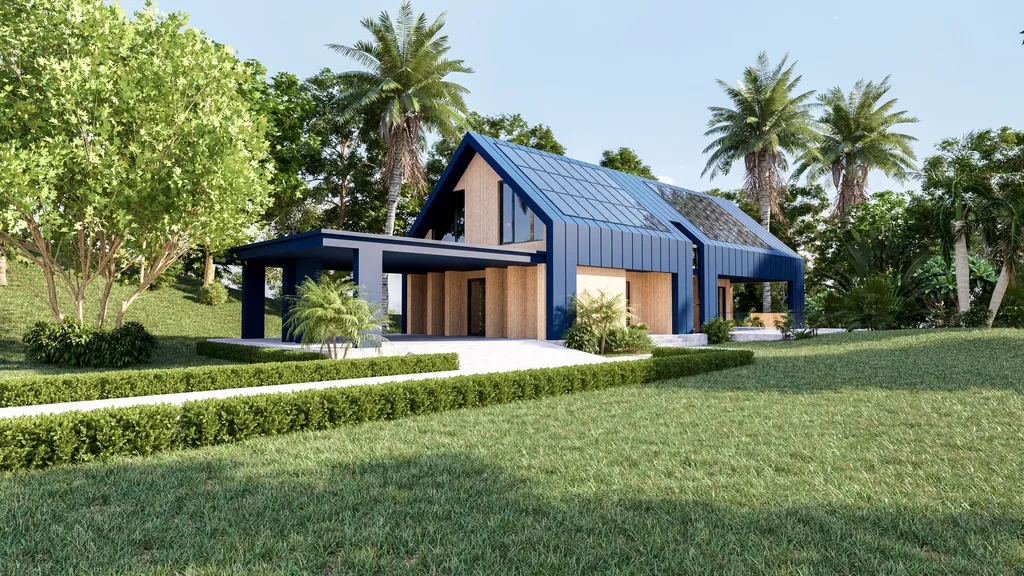
Photographs come from our archive. Some images were created with AI to show situations that are hard to photograph, such as a borehole being drilled in a garden or a battery in a utility room. These images carry the label “AI generated” on the image itself. They illustrate a topic and do not show a real project, product or person.
The model behind the sun clock and the calculators
The sun clock on the home page and the four calculators share a deliberately simple, open model. A day is divided into 96 quarter hours. Solar output follows a smooth curve between sunrise and sunset, with day length calculated from latitude and date; household demand follows a profile with a morning and an evening peak, and a heat pump adds load that rises in winter and at night. Surplus solar first supplies the house, then the car if it is at home and the surplus exceeds the minimum charging power of 1.4 kW, then the battery, and only then the grid. In the evening the battery supplies the house until it is empty.
The sun clock shows one household: a 10 kWp roof near 50 degrees north, a 10 kWh battery with 5 kW of power, a heat pump and an electric car at home between 9:00 and 17:00. The three seasons use a clear day each; real days with clouds produce less. The calculators run the same model for one typical day per month and add up the year. Every assumption is written out beneath each calculator.
Part of a network
sunaliv belongs to a group of independent magazines published by NexTao GmbH. The titles are listed at onlinemedia.network, and businesses can be found in the member.show directory.