Viessmann opens its doors for International Heat Pump Day
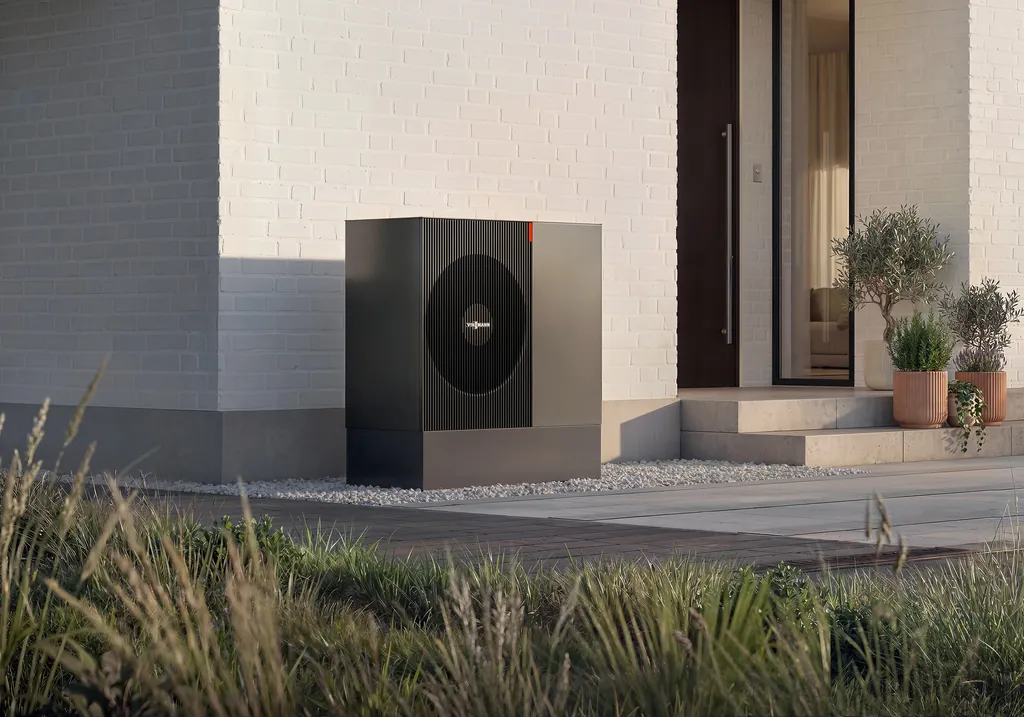
Around 60 classrooms, info days and trade fair stands across Germany, with the twice test-winning Vitocal 250-A and the new Vitocal 200-A ie.
A home that makes most of its own energy is quieter, cheaper to run and more comfortable. sunaliv explains every part of it: the roof, the battery, the heat pump, the car in the drive, and the architecture that holds it together.
Illustrative model of a 10 kWp roof with a 10 kWh battery, a heat pump and an electric car at home from 9:00 to 17:00, near 50° north. How the model works
What the makers of heat pumps, batteries and inverters are bringing out, told by our editors. Unpaid, with the companies' own photos.
Around 60 classrooms, info days and trade fair stands across Germany, with the twice test-winning Vitocal 250-A and the new Vitocal 200-A ie.
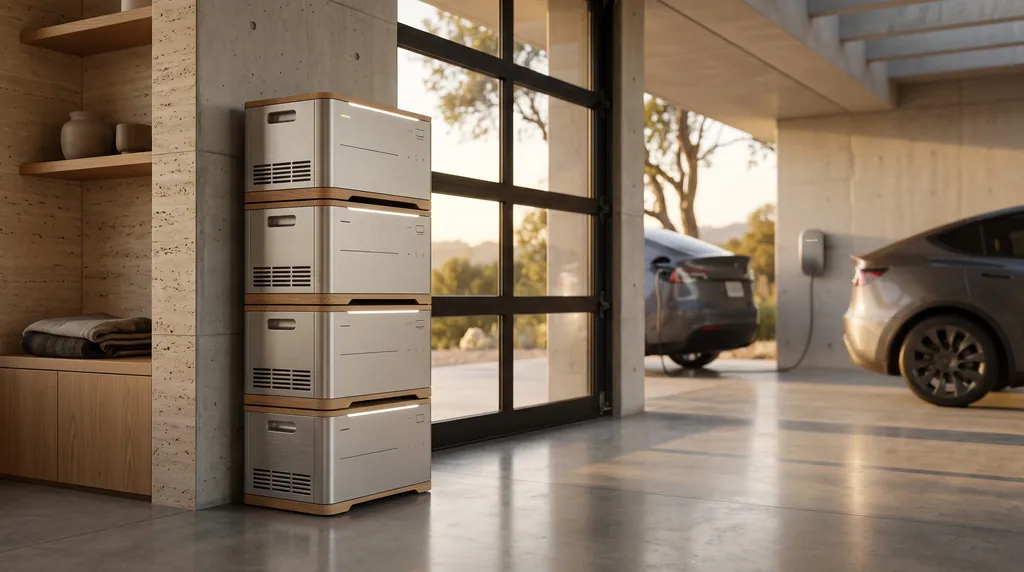
A standardised commercial battery with 261 kWh and 125 kW, and a new energy manager that plans ahead with forecasts and dynamic tariffs.
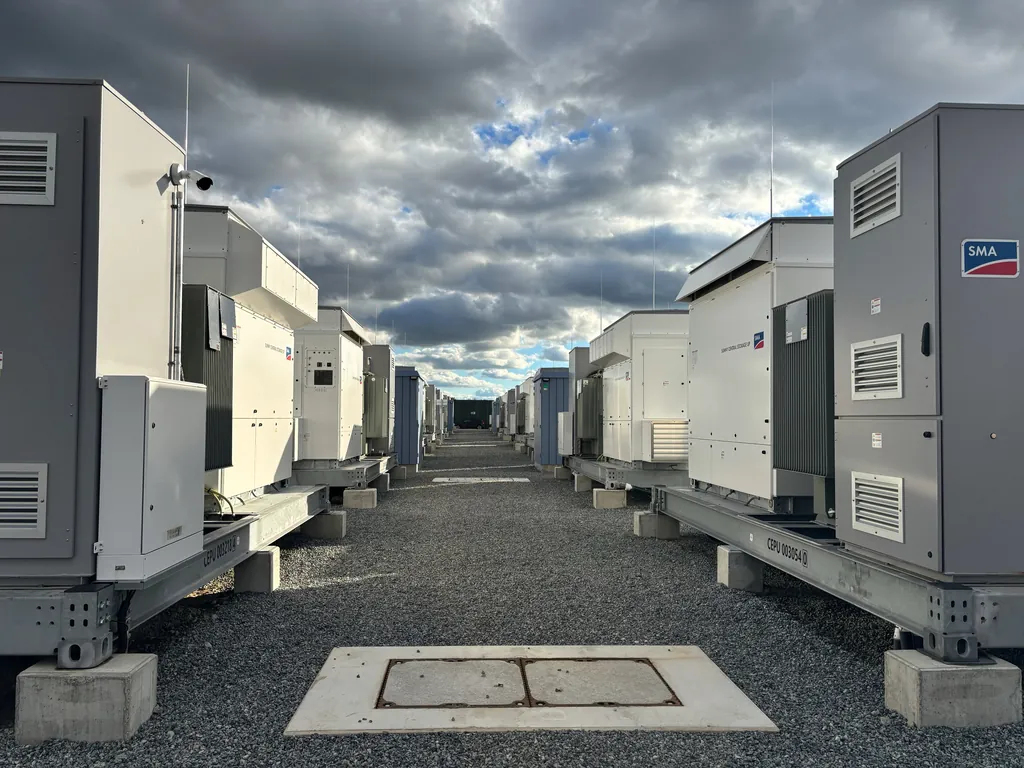
A 103.5 MW battery with 238 MWh enters commissioning near Schuby, with 32 SMA power stations and two black-start capable inverters.
From the modules on the roof to the air in the bedroom. Each rubric starts with the numbers that matter, then explains them.
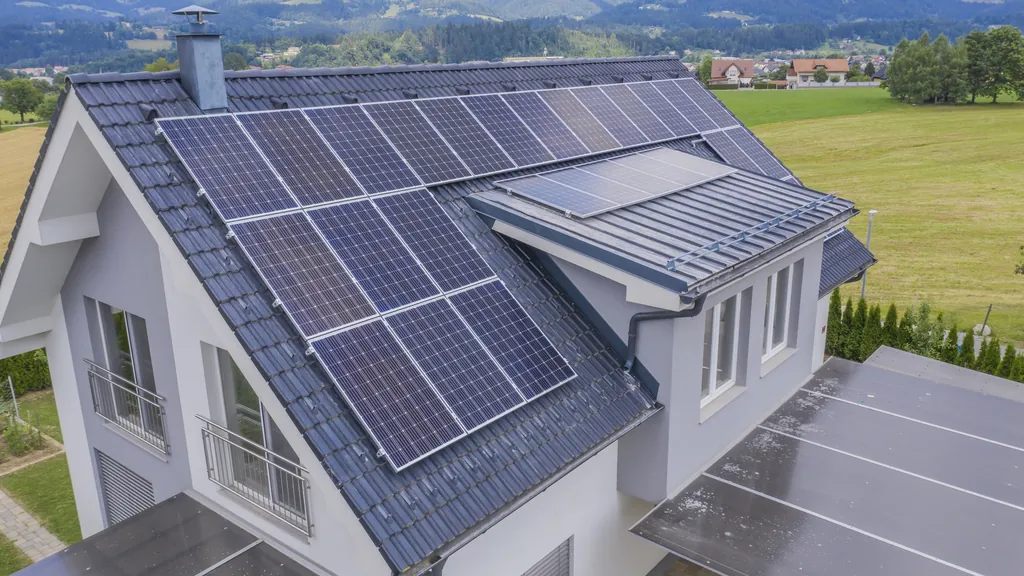 2 guidesSolarRoofs, modules and yields, measured in kilowatt hours.
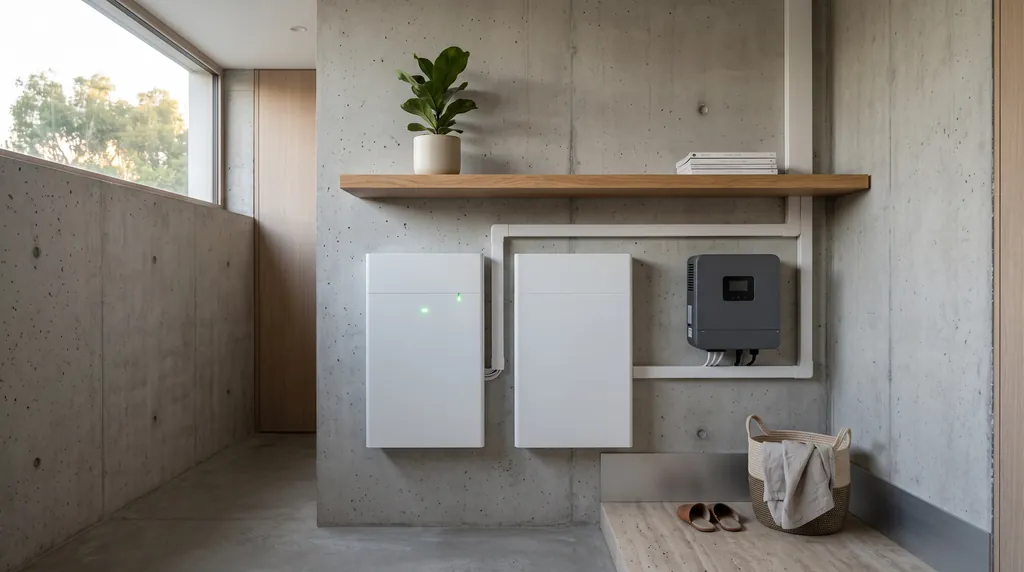
 2 guidesBattery StorageKeeping midday sunshine for the evening.
 2 guidesSmart HomeA house that decides when to use power.
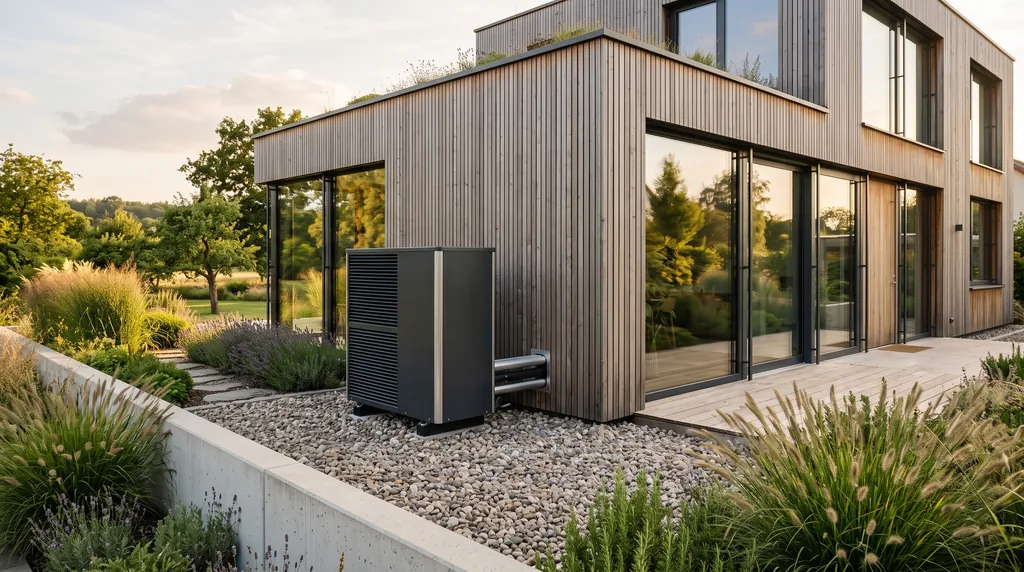 2 guidesHeat PumpsHeat from air and ground, three to five times over.
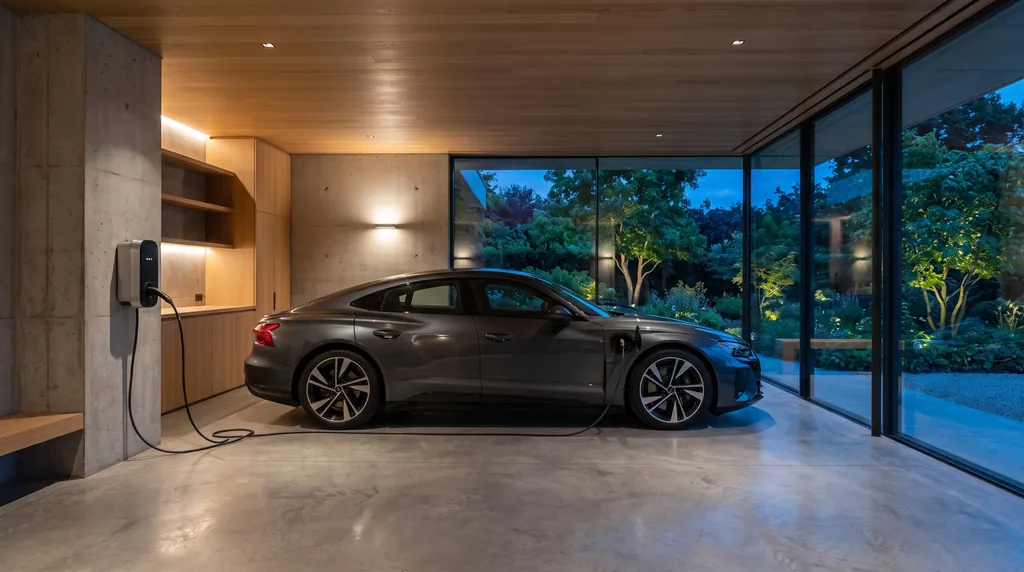 2 guidesEV ChargingThe car as the largest consumer, and soon a battery.
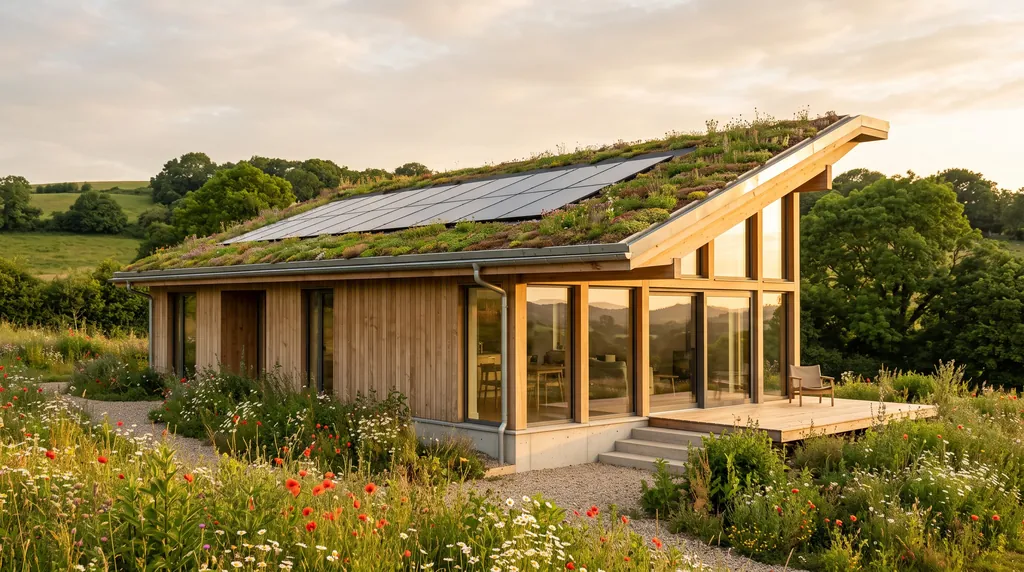 2 guidesSustainable ArchitectureBuildings that need little and make the rest.
 2 guidesEnergy EfficiencyFabric first, then hardware.
4 calculatorsPlan with numbersYield, storage, heat pump and charging, calculated in your browser.
Fourteen guides, written for owners and architects. Figures come with ranges and context, not promises.
Bigger is not better. The right battery is the one that fills on most days and empties on most nights.
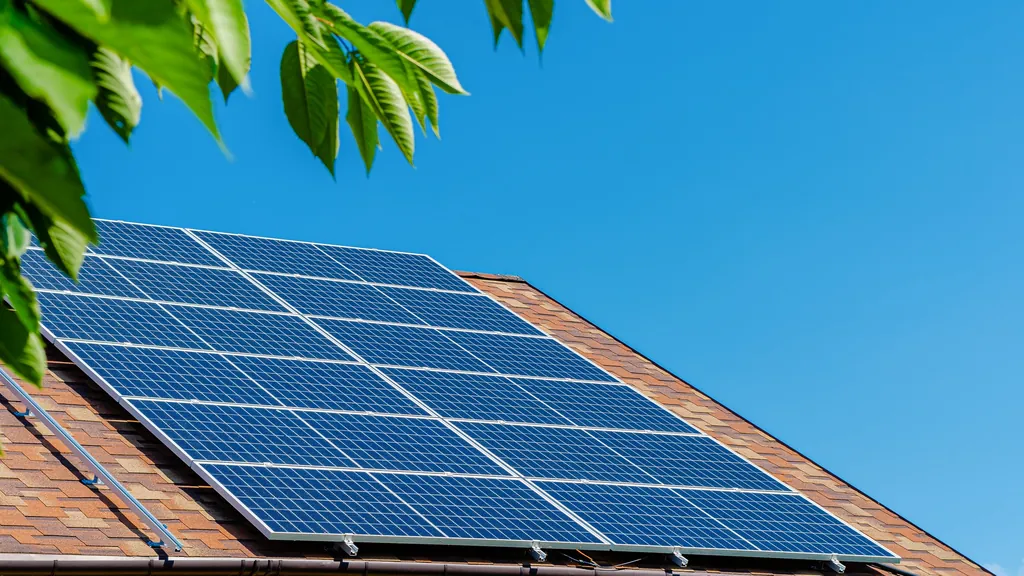
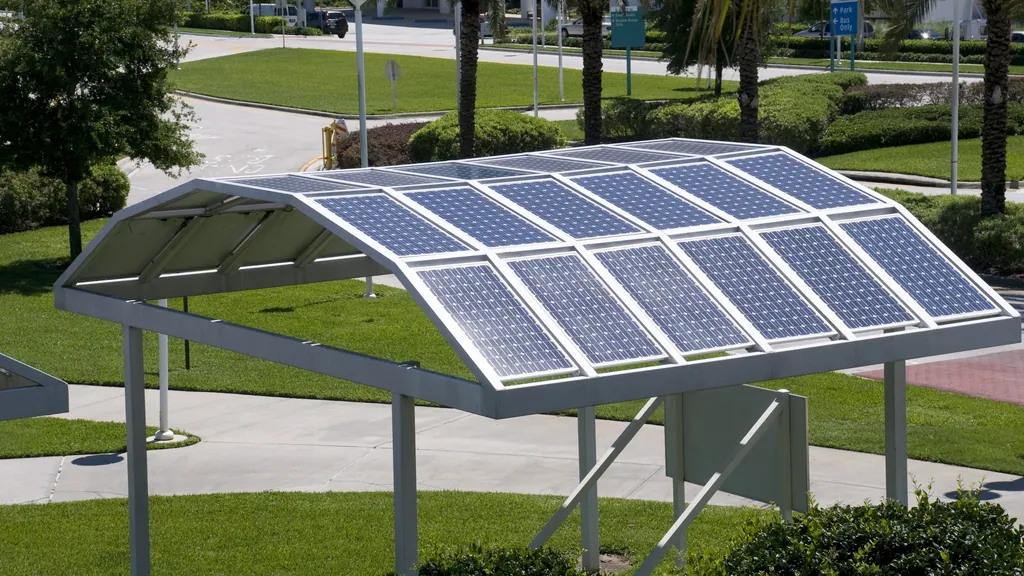
Read the guideKilowatt peak is what you buy. Kilowatt hours are what you get. The gap between the two is decided by location, orientation, shade and heat.
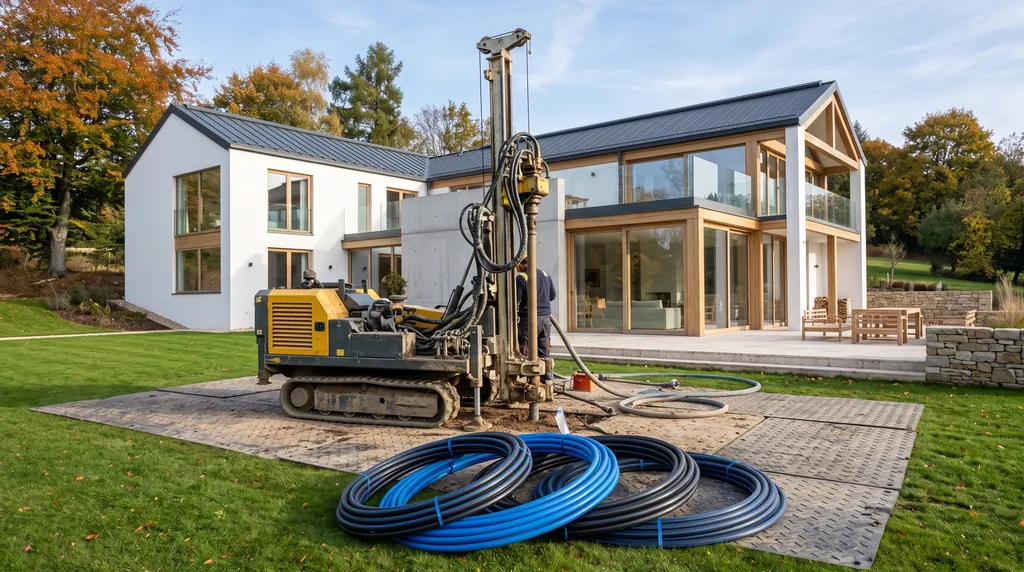
One pulls heat from the outdoor air, the other from the earth beneath the garden. The difference shows on the coldest day of the year.
A car parked at home on a sunny day is the largest battery the house will ever have. Here is how to fill it from the roof, and when it can give power back.
Large glazing, open volumes and a pool do not rule out a passive house. They simply make the planning matter more.
A home energy management system watches the roof, the battery, the tariff and the weather, and moves the large loads to the right hour.
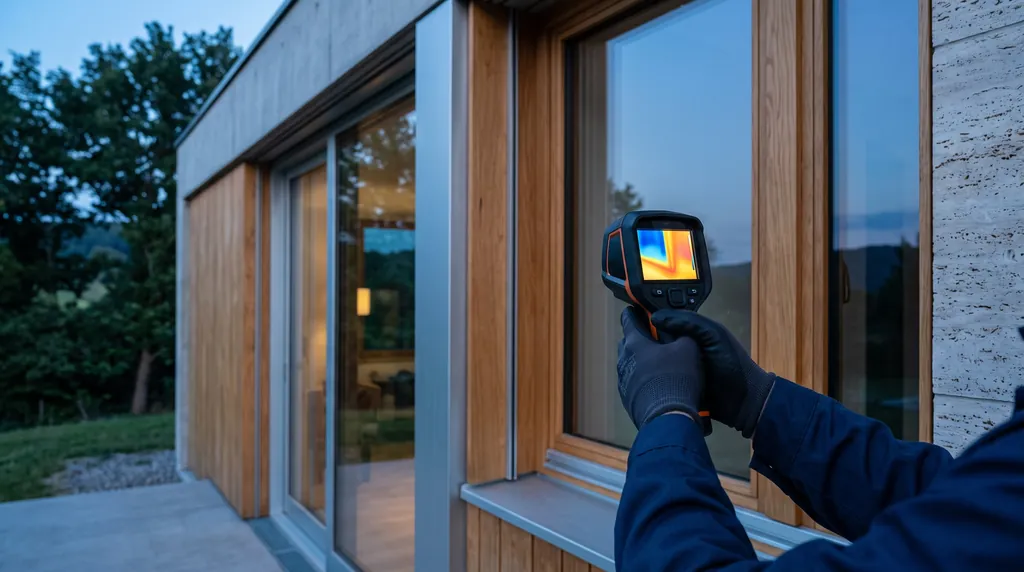
The cheapest kilowatt hour is the one you no longer need. A clear look at the building first saves money on every device that follows.
Four calculators built on the same open model as the sun clock above. Everything runs in your browser; nothing you enter leaves your device.
Yields, efficiencies and savings depend on the house. We give typical ranges, say where they come from and what moves them.
Guides name technologies and standards, not favourite brands. Paid content, if it ever appears, is labelled as advertising.
Photographs come from our archive, or from the companies in brand articles, credited beneath. Where an image was created with AI, it says so on the image itself.
Write to us or call: we read every message and correct errors openly.