SMA technology at Schuby: a 238 MWh battery enters commissioning
Near Schuby in Schleswig-Holstein, one of Germany's largest battery storage plants is connected to the grid. SMA supplies the power electronics, including two inverters that can help restart the grid after a blackout.
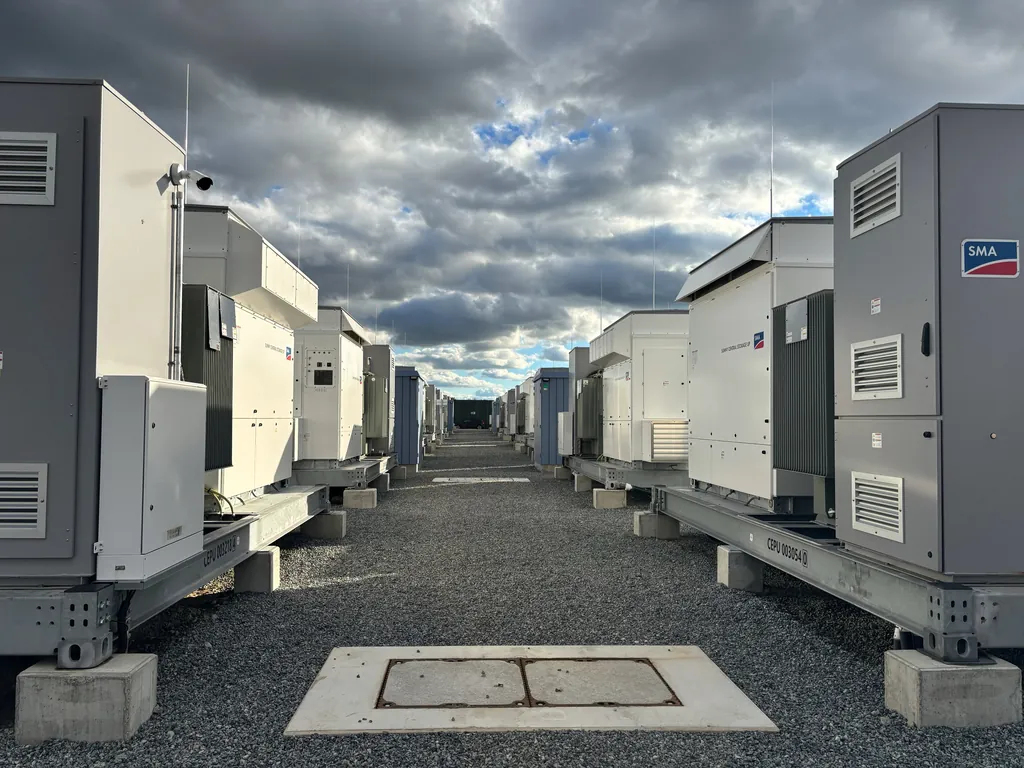
Construction is finished and the grid connection is in place: near Schuby in Schleswig-Holstein, one of Germany's largest battery storage plants has entered technical commissioning. The central power electronics and the grid integration technology come from SMA, the specialist for solar and storage system technology based in Niestetal.
A storage day for the region
To mark the milestone, operator ECO STOR held a “Speichertag Schuby”, a storage day, on 12 October. It brought together project partners such as EPW and SMA Solar Technology AG with representatives of politics, the energy industry and the region. Guided tours gave visitors a look at the plant and at the technical steps of commissioning. Among the guests were representatives of state politics, authorities, associations and companies, including Schleswig-Holstein's economics minister Klaus Madsen, who acknowledged the progress and the importance of the project.
103.5 megawatts, 238 megawatt hours
The battery has a power of 103.5 megawatts and a storage capacity of 238 megawatt hours, which puts it among the larger battery storage projects in Germany. Over the coming weeks, the focus is on extensive tests of the electrical systems, the plant control and the interaction with the power grid. The aim of technical commissioning is to validate every component under operating conditions and to prepare the plant for commercial use.
Georg Gallmetzer, a member of the ECO STOR management, says the team benefits from experience gathered with an identical plant in Bollingstedt, which is already in real operation, and carries that knowledge over to Schuby.
Inverters that can help restart the grid
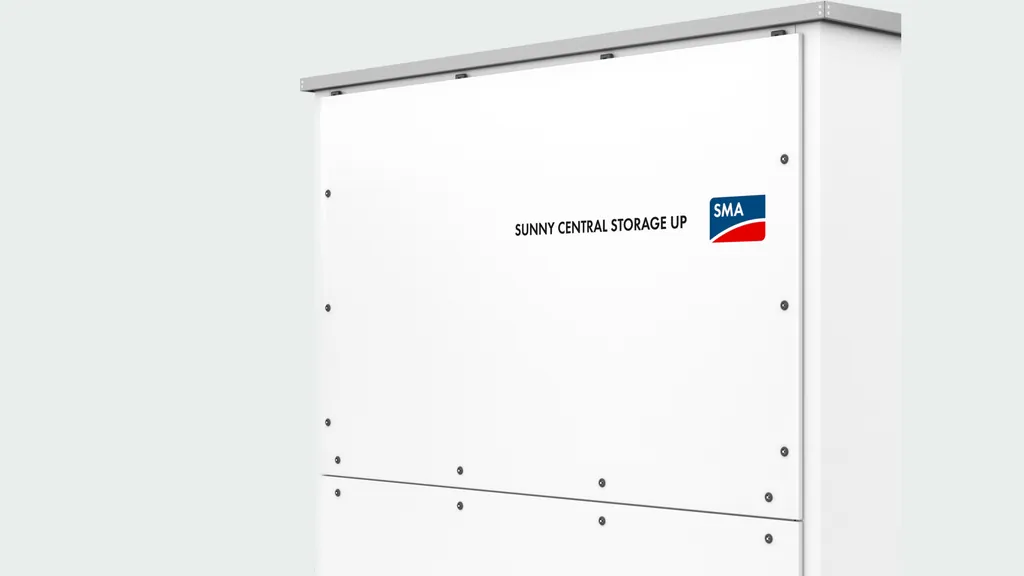
A total of 32 SMA Medium Voltage Power Stations (MVPS) 4600 with Sunny Central Storage 3950 UP battery inverters are installed at Schuby. Two of these inverters are black-start capable: after a power cut, they can support the rebuilding of grid sections. They are equipped with the SMA Essential Synchronous Grid Forming package, which enables grid-forming operation and widens what the battery can do technically. As the energy supply is rebuilt around renewables, such functions are becoming more important, because they can help to stabilise grid operation.
Julia Zornow, Key Account Manager for storage projects at SMA, expects large batteries to play an ever more important role in operating a power supply with a high share of renewable energy. At Schuby, she says, storage technology provides demanding grid-supporting functions in addition to flexibility, and she singles out the black-start capability of two of the installed Sunny Central Storage UP units.
What happens next
Once the current tests and inspections are complete, the battery is to move into regular operation and support a range of energy industry applications. With the project, the Schuby site is developing into a hub for energy and infrastructure projects in northern Germany.
Why this matters for the solar home
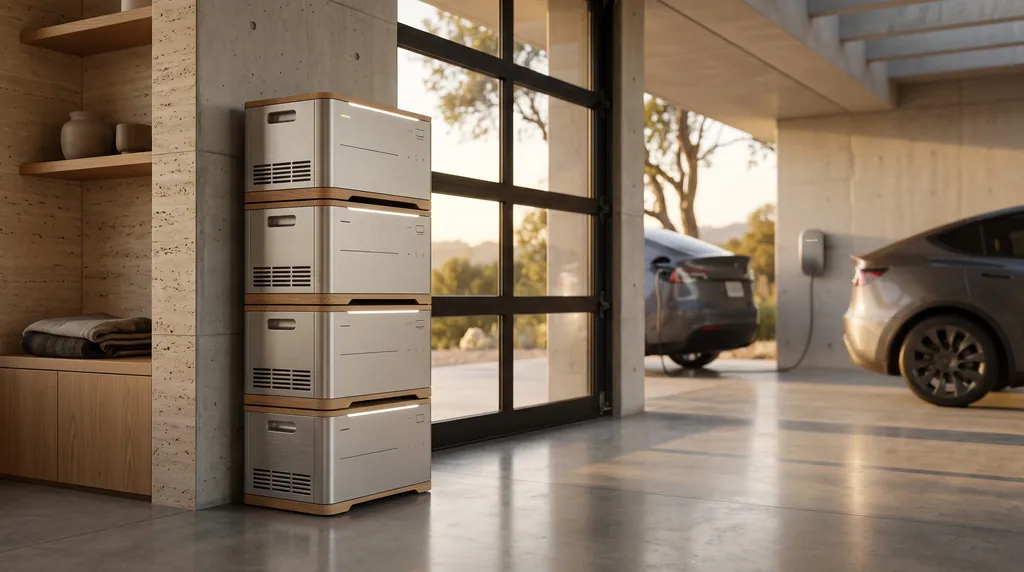
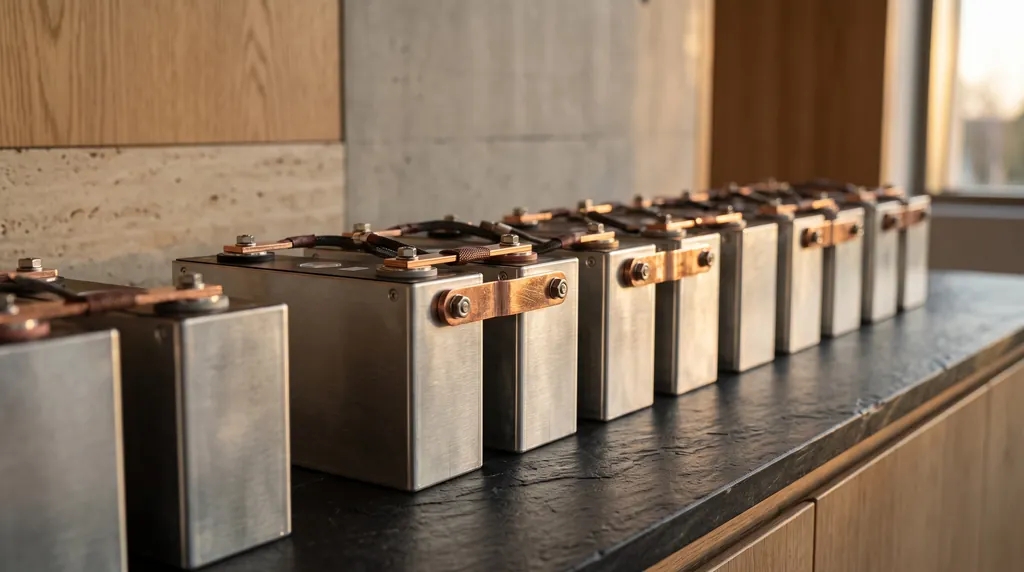
A battery in a utility room and a battery park beside a substation do the same job at different scales: they move energy from the hours when it is plentiful to the hours when it is needed. The grid-scale plants add something a home battery cannot, namely services that keep the whole system stable. If you want to understand the small version first, our guide to sizing a home battery and the article on battery chemistries are good places to start.
Written by the sunaliv editorial team about an announcement by SMA. This article is editorial and unpaid; the images were provided by SMA. Spotted an error? Write to info@nextao.de and we will correct it openly.